
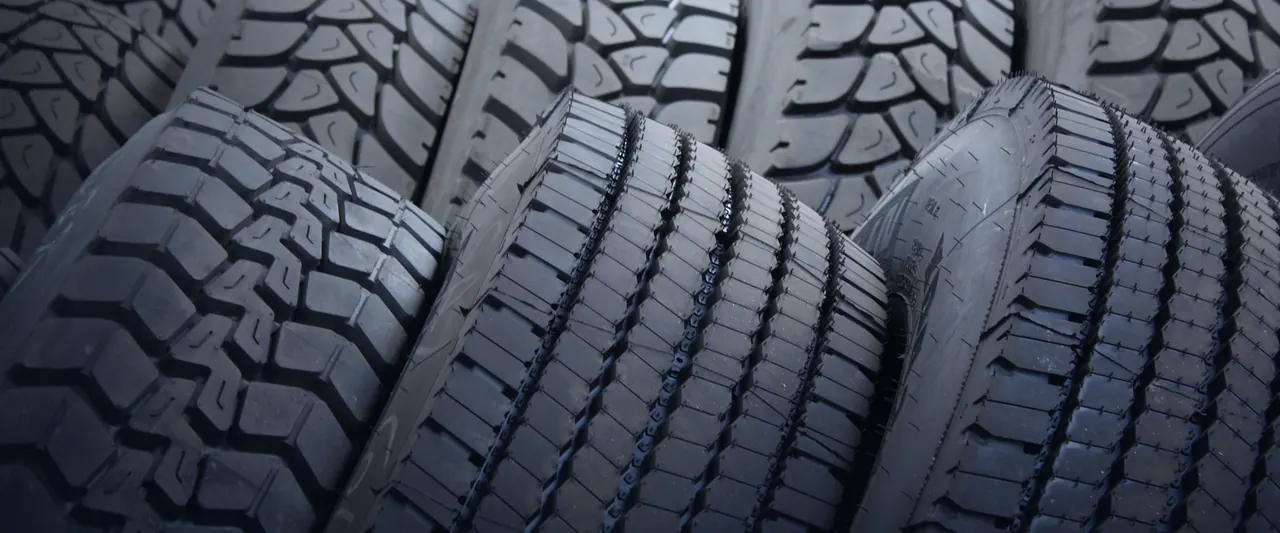
Reading your tyre size
It is printed on the sidewall. Type yours in and we will tell you what it means.
Or send us a photo of it, or just your registration, and we will do the rest.
- 205
- The width of the tyre in millimetres.
- 55
- The height of the sidewall, as a percentage of the width.
- R16
- A radial tyre for a 16 inch wheel.
- 91
- The load index: how much weight each tyre is built to carry. This matters most on vans and caravans.
- V
- The speed rating. It should match or beat what your vehicle's manufacturer specifies.
There is usually a choice between budget, mid-range and premium tyres. The best option depends on how and where you drive.
Budget, mid-range or premium
A commuter covering regular motorway miles may value wet-weather grip, lower road noise and longer wear. A vehicle used mainly for local trips may suit a sensibly priced tyre that meets the required standard. For a work van, durability and load rating may be the deciding factors.
Budget, mid-range and premium tyres all have a place, provided the specification is correct and the tyre is fitted professionally.
The right specification
The correct size, load rating and speed rating matter, and they should match the vehicle manufacturer's requirements. Vans and caravans often need tyres with suitable load capacity, so fitting the cheapest available option without checking the specification is not a good saving.
One tyre or two?
Where one tyre is being replaced, its condition next to the tyre on the other side of the same axle should be considered. Big differences in tread depth or tyre type can affect handling, especially in the wet. On some vehicles, especially those with four-wheel drive, differences in tyre size can affect how the drivetrain works. We will advise based on the tyres already fitted.
When it is time to replace
- Tread close to the legal limit of 1.6mm
- Cracking in the sidewall, even if the tread looks fine
- Uneven wear on one edge or both shoulders
- Repeated punctures in an older tyre
- A bulge, cut or exposed cords anywhere on the tyre
Uneven wear is worth paying attention to. Wear on one edge can point to alignment issues, while wear across both shoulders often suggests the tyre has been run at low pressure. Replacing the tyre solves the immediate problem, and checking the cause can prevent another call-out a few weeks later.
Fitted where you are
The old tyre comes off, the new one goes on, the wheel is refitted securely, the pressure is set correctly and checks are made before the vehicle is handed back. At home, at work or wherever suits you.
Other ways we can help
Everything we do happens where your vehicle is.
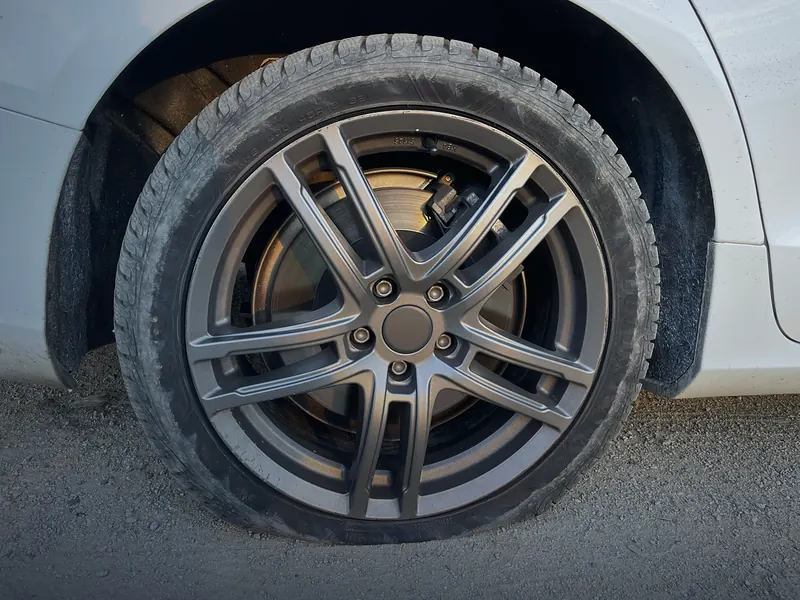
Emergency puncture repair
Got a puncture? We come to where you have stopped, assess the tyre properly and repair it, or replace it if a repair is not safe.
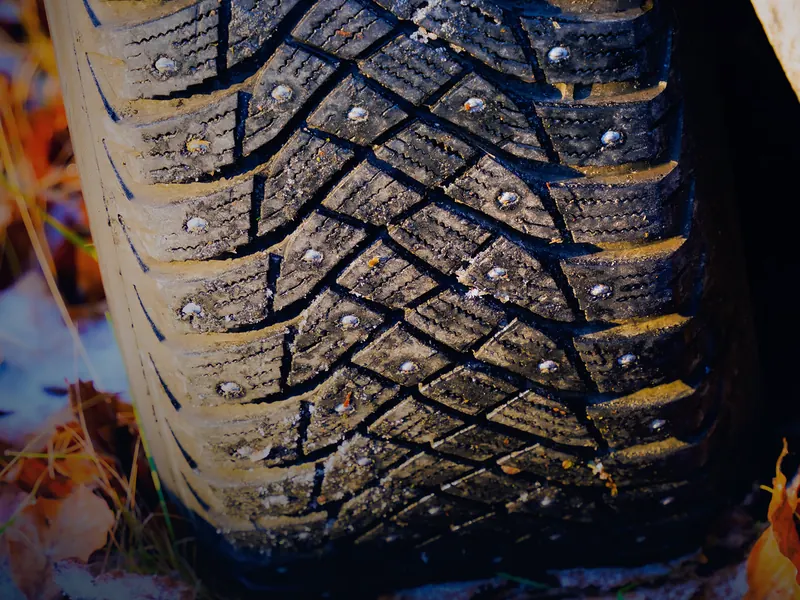
Seasonal tyre changes
Your summer and winter tyres swapped at the place that suits you, ready for the weather ahead.
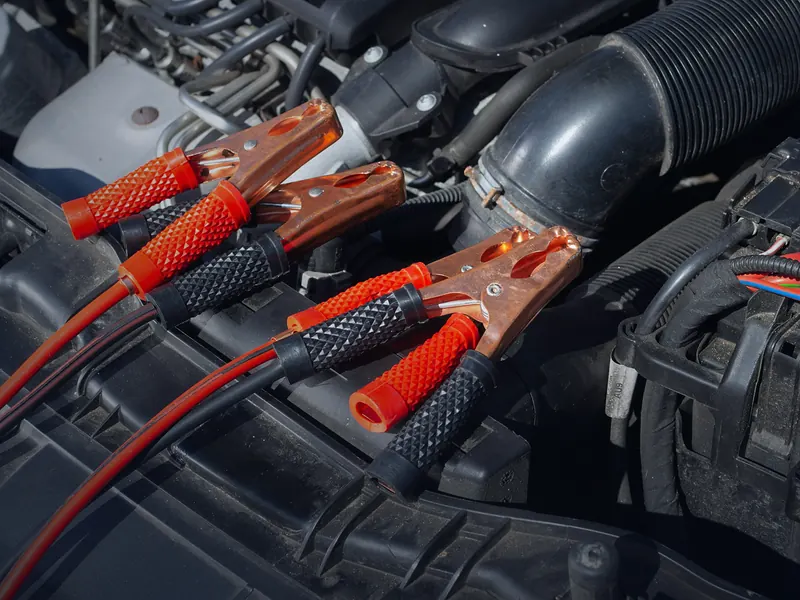
Mobile battery fitting
Broken down with a flat battery? A new battery fitted to the vehicle where it is, to get you mobile again.
New tyres, without the trip to a garage.
At home or at work, across Poole, Dorset and Hampshire. Or send us the details and we will ring you back.