
Home / Services
Tyre help, done where you are.
Brett's Mobile Tyres offers a comprehensive range of mobile tyre services designed to meet your needs, all delivered with convenience and professionalism.
Our services
Five ways we get you moving again, at the roadside, at home or at work.
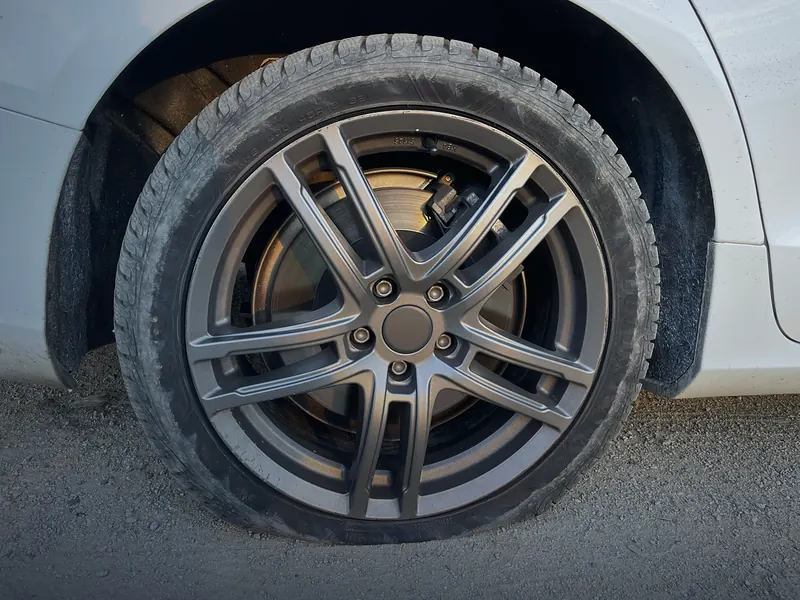
Emergency puncture repair
Got a puncture? We come to where you have stopped, assess the tyre properly and repair it, or replace it if a repair is not safe.
24 hours, every day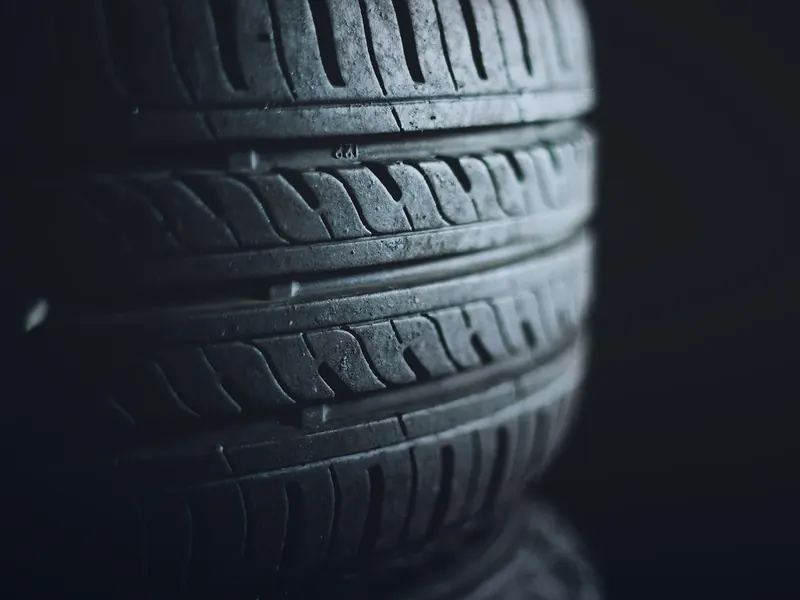
New tyre fitting
Budget, mid-range and premium tyres supplied and fitted for all makes and models, right at your doorstep.
Cars, vans and caravans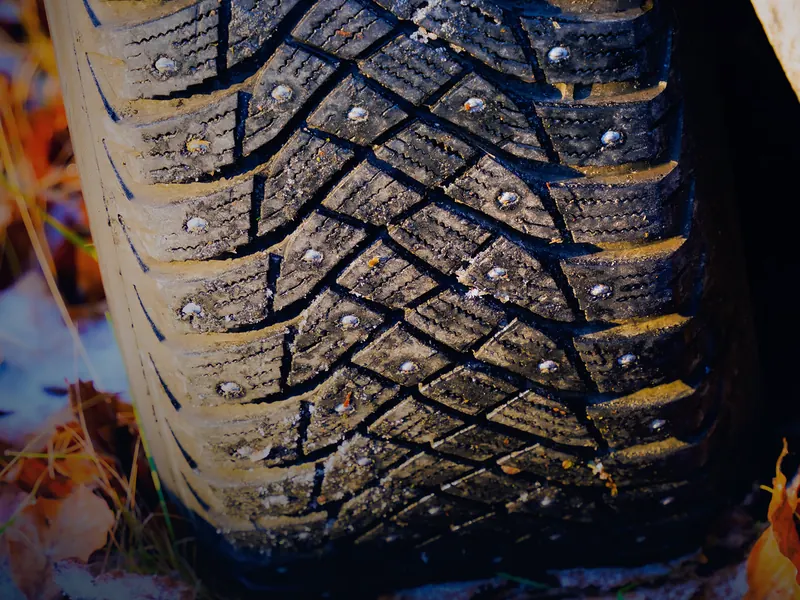
Seasonal tyre changes
Your summer and winter tyres swapped at the place that suits you, ready for the weather ahead.
At home or at work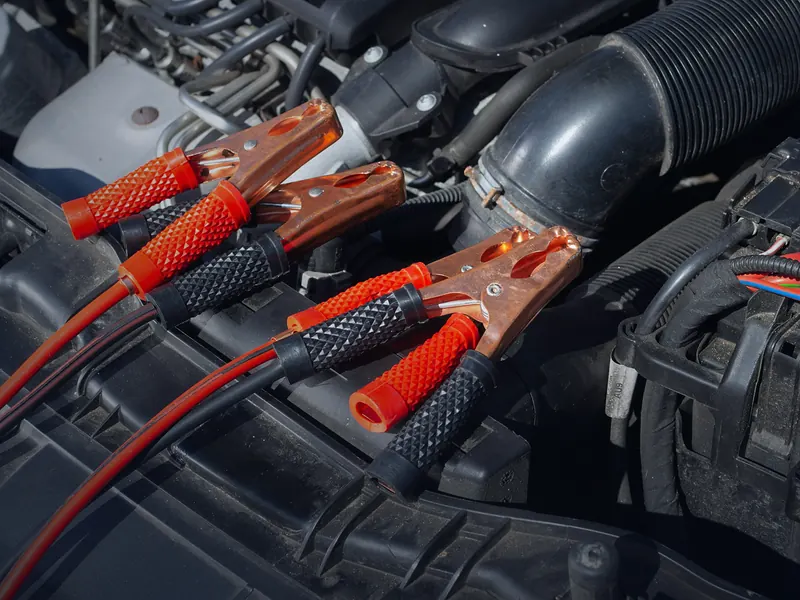
Mobile battery fitting
Broken down with a flat battery? A new battery fitted to the vehicle where it is, to get you mobile again.
Wherever it has stopped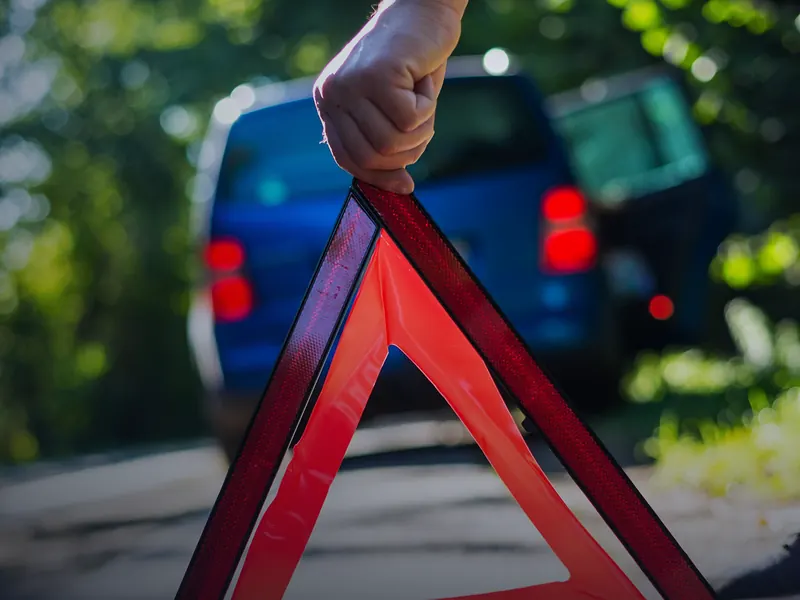
Roadside assistance
Flat tyre at the roadside, in a car park or on the drive. Tyre help brought to you, so you skip the recovery truck and the garage.
Roadside or driveway
When you call
A few clear details make it easier to send the right help and avoid delays.
- Where you areYour exact location first: a postcode, a road name or a nearby landmark if you are at the roadside. Say whether you are at home, at work, in a car park or on a main route.
- The vehicleThe registration, the make and model, and whether it is a car, a van or a caravan. For vans and caravans, mention the load: a replacement has to suit the job the vehicle does.
- The tyreThe size if you can read it on the sidewall, for example 205/55 R16. No need to worry if you cannot find it. Tell us whether it is completely flat and whether something is stuck in it.
- Your wheel nut keyLet us know whether you have a locking wheel nut key. It is usually in the boot, the glovebox or with the spare.
Tyre care tips
A brief check every month catches slower problems before they leave you stranded.
Do not rely on sealant as a permanent fix
Tyre sealant can be useful as a temporary measure in some situations, particularly when the alternative is being stuck somewhere unsafe. However, it is not a guaranteed repair and it may not work on larger punctures, sidewall damage or a tyre that has come off the rim.
Using sealant can also make the later inspection and repair messier. If you have used it, tell the technician before work begins. They can assess the tyre properly and advise whether it can still be repaired or needs replacing.
The same goes for repeatedly topping up a tyre with air. A slow puncture may seem manageable for a few days, but pressure loss affects handling, braking and tyre wear. It can become an urgent problem without much warning, especially at motorway speeds or with a loaded vehicle.
A puncture is a good time to check the other tyres
When one tyre has picked up a screw, it is worth checking the rest. Look for low tread, cracking, uneven wear and objects lodged in the tread. Uneven wear can point to incorrect pressures, wheel alignment issues or suspension wear, and simply replacing one tyre may not address the cause.
Check tyre pressures regularly when the tyres are cold, including the spare if your vehicle has one. The correct figures are usually shown inside the driver's door frame, in the fuel flap or in the handbook. For caravans and vans, use the pressures specified for the actual load and tyre fitment.
If you have suffered a puncture, do not gamble on getting a few more miles from a damaged tyre. A quick professional assessment can mean a straightforward repair, while acting early may prevent a minor interruption becoming a bigger and more expensive problem.
Tread depth and the law
In the UK the legal minimum tread depth for cars is 1.6mm, across the central three-quarters of the tread and around the whole tyre. Grip in the wet drops well before that, so it is worth replacing tyres before they reach the limit.
Back on the road, wherever you have stopped.
Roadside, driveway or workplace, across Poole, Dorset and Hampshire. Or send us the details and we will ring you back.